Commercial Water Damage Restoration in Cedar Rapids, IA
When a sprinkler line fails at 2 AM in a Cedar Rapids commercial property, every minute of delayed response adds to the total loss. Water migrates through floor assemblies, saturates wall cavities, and reaches spaces that won’t show visible damage for days. Cedar Rapids, IA commercial properties need water damage restoration that starts with emergency extraction and doesn’t stop until the last moisture reading clears — structural drying, mold prevention, contents restoration, and insurance documentation under one company.
water Damage Cleanup
Cedar Rapids experienced catastrophic Cedar River flooding in 2008 — over 1,300 city blocks were inundated and commercial losses exceeded $5 billion. Flood protection has been built since, but the Cedar River corridor remains the defining commercial water risk. Derecho exposure (2020 event) adds wind-driven water intrusion across all commercial.
Commercial water losses in Linn County differ from residential in every measurable way — affected square footage, number of displaced occupants or tenants, documentation requirements, and the business-interruption costs that compound every hour the property remains offline. A hotel water loss involves guest displacement and revenue documentation. A multifamily loss involves tenant-by-tenant assessment. A healthcare facility loss involves infection-control protocols. Each property type in Cedar Rapids requires water damage restoration calibrated to its specific operational and insurance requirements.
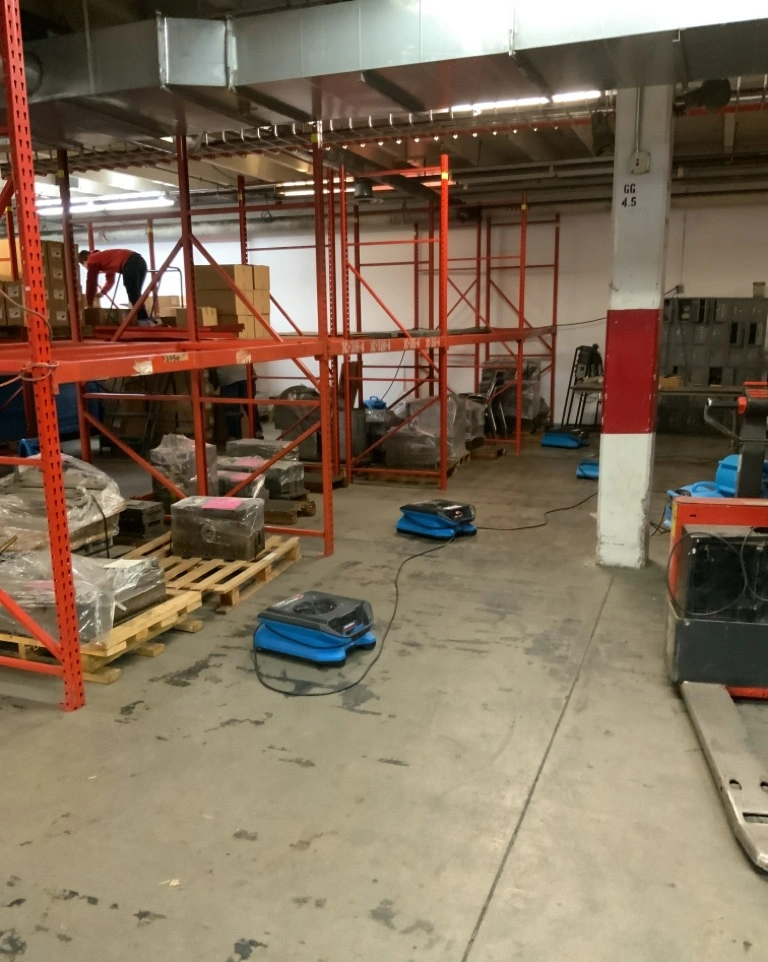
Cedar Rapids Damage Restoration

Service Restoration’s commercial water damage response in Cedar Rapids begins with emergency water extraction — truck-mounted and portable extractors remove standing water from affected areas within hours of dispatch. Structural drying follows immediately: commercial-grade dehumidifiers, air movers, and desiccant systems configured for the specific building assembly and materials involved.
Moisture mapping with thermal imaging and penetrating moisture meters documents the full extent of water migration — including behind walls, above ceilings, and beneath flooring where water travels but isn’t visible. Daily monitoring confirms drying progress against IICRC S500 standards. When water has been present long enough for microbial growth, our mold remediation protocols include containment, HEPA filtration, antimicrobial treatment, and post-remediation verification testing.
Protecting Your Business During Restoration
Business-interruption costs on commercial water losses in Cedar Rapids often exceed the direct property damage. Every day a hotel room is offline, a retail space is closed, or a production line is down adds revenue loss to the property-damage claim. Service Restoration’s documentation captures both the physical damage and the operational impact — formatted for commercial insurance adjusters who need itemized scopes, daily progress reports, and moisture logs to process claims efficiently.
One company handles water extraction, structural drying, mold prevention, contents cleaning, and reconstruction — eliminating the coordination delays that occur when property managers in Linn County hire separate vendors for each phase.
Frequently Asked Questions
Additional Services in Cedar Rapids
States We Service
Commercial Water Damage Cleanup is powered by Service Restoration and serves commercial properties across listed response markets. Service availability may vary by location and loss size; call to confirm dispatch.
Need Emergency Commercial Restoration?
Call 24/7 for immediate dispatch and emergency response.