Commercial Water & Fire Damage Restoration in Minneapolis, MN
Minneapolis is the commercial center of the Upper Midwest — Target Corporation headquarters, U.S. Bank Stadium, the Minneapolis Convention Center, and the largest downtown skyway system in the world create commercial density that concentrates restoration demand in a compact urban core. The North Loop warehouse district and Northeast Arts District conversions add century-old construction with modern commercial use, creating restoration challenges that combine historic building characteristics with contemporary commercial operations.
Why Minneapolis Commercial Properties Need Specialized Restoration

Commercial Properties We Restore In Hennepin County
Common Water Damage Risks Minneapolis
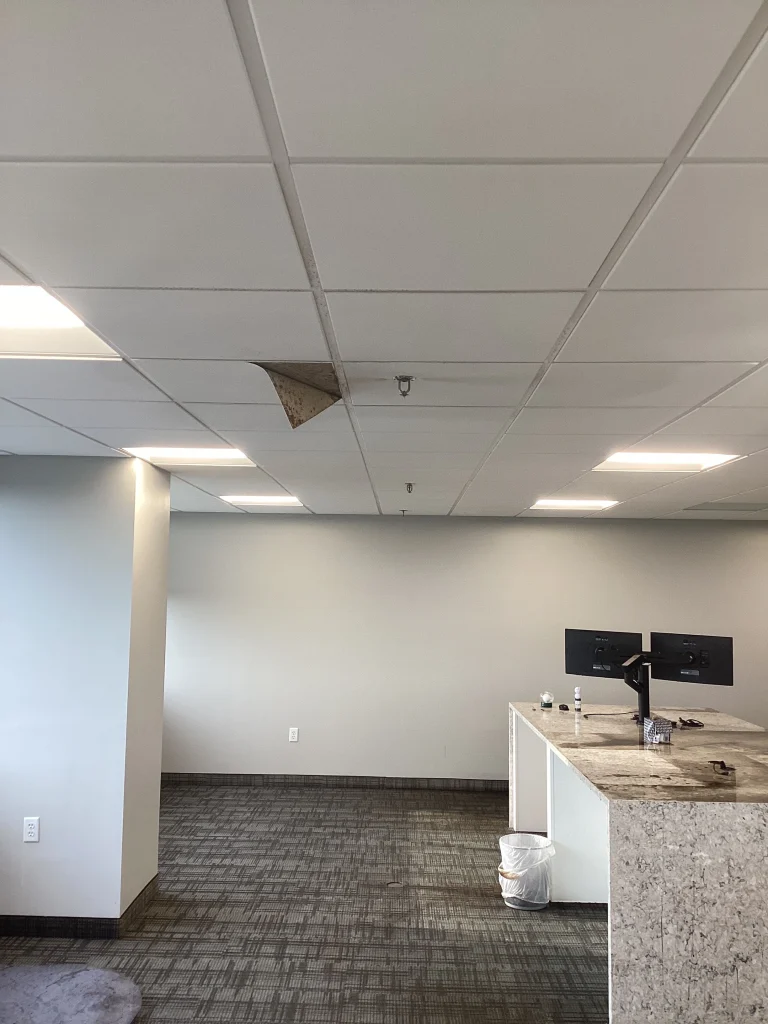
What to Expect When You Call
Minneapolis Fire Damage & Smoke Risks
How do you handle dormitory and student-housing water losses in Minneapolis?
Dormitory losses can displace dozens of residents from a single sprinkler activation or pipe burst. Our response coordinates with campus housing to document unit-by-unit damage, phase restoration to minimize student displacement, and meet institutional timelines — especially critical during the academic year.
Do you restore research facilities and laboratory commercial?
Yes — research-facility restoration requires contamination control, specialized equipment protection, and coordination with principal investigators and facility managers. We work with campus environmental health and safety to maintain protocols throughout.
Can you respond without disrupting academic operations in Minneapolis?
We phase restoration to minimize academic disruption — containment barriers, scheduled work windows around class schedules, and coordination with campus facilities management. Academic-year losses carry institutional timeline pressures.
Do you document for institutional insurance claims?
Yes — moisture readings, drying logs, photo records, and an itemized scope prepared for institutional risk management and your adjuster. University claims often involve complex multi-building coordination — our documentation is organized by building and affected area.
What about mold in older campus buildings in Minneapolis?
Older campus buildings with dated HVAC and plumbing are particularly susceptible to mold after water losses. Our response includes immediate containment, HEPA filtration, and structural drying designed to prevent microbial growth — critical in buildings where student and faculty health is the first priority.
Do you handle both emergency response and reconstruction?
Yes — mitigation and reconstruction handled by one company so Minneapolis campus facilities have a single point of contact from emergency response through final walkthrough.
Nearby Service Areas
Coverage Area

Need Emergency Commercial Restoration?
Call 24/7 for immediate dispatch and emergency response.