24/7 Emergency Commercial Response

Commercial Water & Fire Damage Restoration in Duluth, MN

Duluth’s 2012 flood was one of the most destructive urban flood events in Minnesota history — $100 million in damage from a single rainfall event demonstrated that this Lake Superior port city carries water-damage exposure far beyond what its population would suggest. Canal Park tourism, two major hospital campuses, UMD, port industrial, and the most concentrated craft-beverage district in Minnesota create commercial diversity unusual for a city this size.

Why Duluth Commercial Properties Need Specialized Restoration

University and campus restoration in Duluth requires coordination with institutional facilities management, student housing operations, and academic scheduling that standard commercial restorers are not structured to provide. Dormitory losses can displace dozens of residents simultaneously, research-facility restoration involves contamination-control and equipment-protection protocols, and athletic-venue losses carry institutional insurance complexity. Academic-year losses carry timeline pressures that drive restoration scheduling — student displacement, class disruption, and research continuity create institutional urgency beyond standard commercial response. Duluth’s campus commercial needs a restoration partner that coordinates with institutional risk management, phases work around academic operations, and documents losses for complex multi-building institutional claims.
Air movers staged for water damage restoration at downtown mixed-use office complex

Commercial Properties We Restore In St. Louis County

Duluth’s commercial restoration demand spans canal park tourism and hospitality; decc convention center; essentia health and st. lukes medical campuses; lincoln park craft district; port industrial and grain elevators; umd campus; downtown historic commercial. Each property type carries specific restoration requirements — hotels and hospitality involve guest displacement and brand-standard finish restoration, healthcare facilities require infection-control protocols during restoration, multifamily and apartment communities involve tenant-coordination and unit-by-unit documentation, and industrial and warehouse commercial often involves specialized equipment restoration. Service Restoration carries the equipment capacity, documentation systems, and trade coordination to handle all of these property types across St. Louis County.

Common Water Damage Risks Duluth

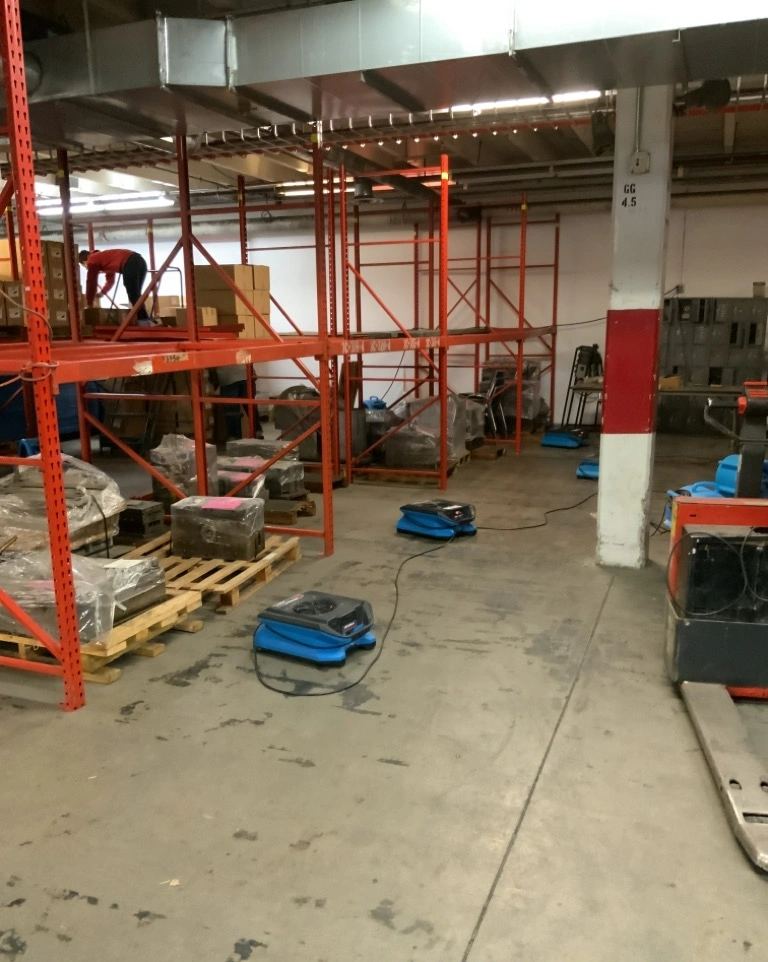
Industrial warehouse water damage restoration after broken water line
Duluth experienced catastrophic flooding in June 2012 — the city received 10 inches of rain that destroyed roads, flooded commercial across Canal Park and downtown, and caused an estimated $100 million in damage. Lake Superior storm surge (seiche events) drives waterfront commercial flooding independent of rainfall. The steep hillside terrain channels stormwater through commercial districts at destructive velocity. Canal Park hospitality, DECC convention center, and port industrial all face direct waterfront exposure. Dormitory and student-housing water losses create immediate displacement challenges — a single sprinkler activation can affect dozens of student rooms simultaneously, requiring coordination with campus housing for temporary relocation during the academic year. Research-facility water losses involve contamination-control protocols, specialized equipment protection, and coordination with principal investigators and campus environmental health and safety. Older campus buildings with dated plumbing and HVAC systems are particularly susceptible to supply-line failures and condensation-driven water damage. Our campus response coordinates with institutional facilities management, phases work around class schedules and academic calendars, and documents losses in the multi-building, multi-department format that institutional risk management requires.

What to Expect When You Call

Step 1
Emergency Response
Call 855-2GET-DRY — a live dispatcher confirms response timing for Duluth. Crews arrive with water extraction and emergency stabilization equipment.
Step 2
Assessment & Documentation
Moisture mapping, thermal imaging, and photo documentation from the first hour. Your adjuster receives an itemized scope formatted for commercial claims — covering fire, storm, and water damage.
Step 3
Mitigation Through Rebuild
Structural drying, mold prevention, smoke remediation, and full reconstruction — one company from emergency call through final walkthrough.

Duluth Fire Damage & Smoke Risks

Duluth’s commercial fire risk concentrates in Canal Park’s dense restaurant and hospitality corridor, Lincoln Park Craft District’s converted industrial buildings (breweries, distilleries, creative-space commercial), and century-old downtown commercial with dated electrical infrastructure. Port industrial and grain-elevator operations carry combustible-dust and marine-fuel fire risk along the waterfront. Campus fire losses involve institutional complexity — dormitory fires can displace dozens of students, research-facility fires can compromise ongoing experiments and specialized equipment, and athletic-venue fires carry institutional insurance and public-safety considerations. Dining-hall and campus-restaurant kitchen fires are the most frequent source of institutional fire losses. Smoke migration through campus HVAC systems can affect multiple buildings from a single fire source. Our campus fire response coordinates with institutional facilities management, phases restoration around academic operations, and documents losses in the format that institutional risk management and insurance require.
How do you handle dormitory and student-housing water losses in Duluth?

Dormitory losses can displace dozens of residents from a single sprinkler activation or pipe burst. Our response coordinates with campus housing to document unit-by-unit damage, phase restoration to minimize student displacement, and meet institutional timelines — especially critical during the academic year.

Do you restore research facilities and laboratory commercial?

Yes — research-facility restoration requires contamination control, specialized equipment protection, and coordination with principal investigators and facility managers. We work with campus environmental health and safety to maintain protocols throughout.

Can you respond without disrupting academic operations in Duluth?

We phase restoration to minimize academic disruption — containment barriers, scheduled work windows around class schedules, and coordination with campus facilities management. Academic-year losses carry institutional timeline pressures.

Do you document for institutional insurance claims?

Yes — moisture readings, drying logs, photo records, and an itemized scope prepared for institutional risk management and your adjuster. University claims often involve complex multi-building coordination — our documentation is organized by building and affected area.

What about mold in older campus buildings in Duluth?

Older campus buildings with dated HVAC and plumbing are particularly susceptible to mold after water losses. Our response includes immediate containment, HEPA filtration, and structural drying designed to prevent microbial growth — critical in buildings where student and faculty health is the first priority.

Do you handle both emergency response and reconstruction?

Yes — mitigation and reconstruction handled by one company so Duluth campus facilities have a single point of contact from emergency response through final walkthrough.

Nearby Service Areas

Coverage Area

Commercial Water Damage Cleanup is powered by Service Restoration and serves commercial properties across listed response markets. Service availability may vary by location and loss size; call to confirm dispatch.

Need Emergency Commercial Restoration?

Call 24/7 for immediate dispatch and emergency response.