Commercial Water & Fire Damage Restoration in Waterloo, IA
Waterloo anchors the Cedar Valley — John Deere manufacturing, Tyson Fresh Meats processing, and Cedar River commercial create a market where heavy industrial restoration demand intersects with river-corridor flood exposure demonstrated in 2008.
Why Waterloo Commercial Properties Need Specialized Restoration

Commercial Properties We Restore In Black Hawk County
Common Water Damage Risks Waterloo
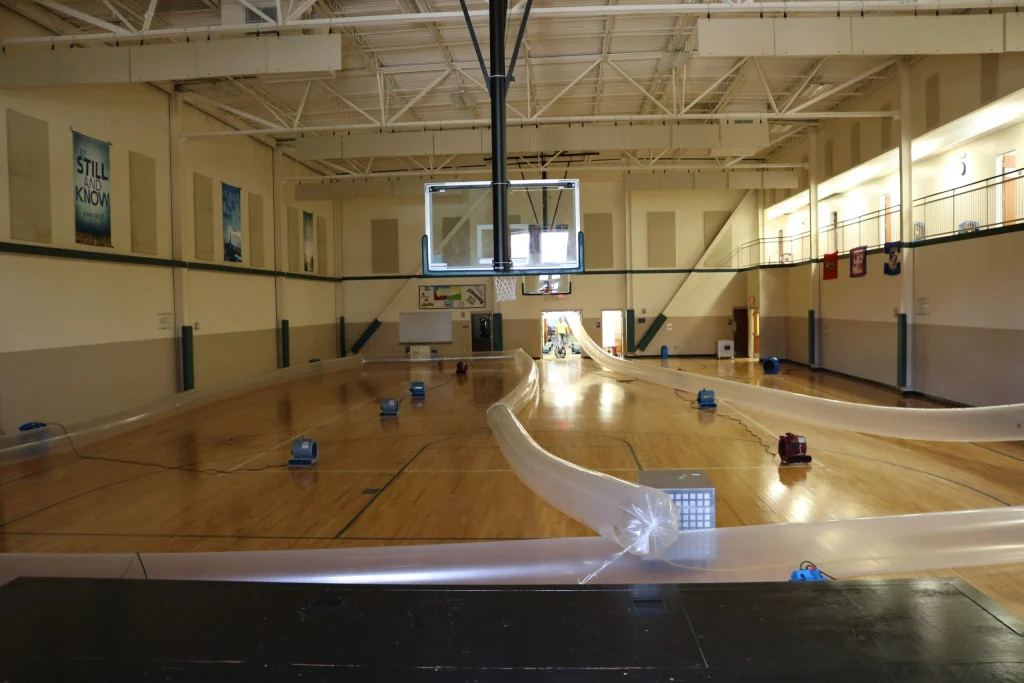
What to Expect When You Call
Waterloo Fire Damage & Smoke Risks
How do you handle river flood damage to Waterloo commercial properties?
River flood water is classified as Category 3 (grossly contaminated) requiring specialized protocols — extraction, antimicrobial treatment, aggressive drying, and in many cases removal and replacement of affected building materials. Waterloo commercial along Cedar River carries this exposure during high-water events.
What is different about flood restoration vs a pipe burst?
Category 3 flood water carries biological contaminants, sediment, and chemical pollutants requiring specific extraction, antimicrobial treatment, and disposal protocols. A clean-water pipe burst (Category 1) can often be dried in place — river flood water usually requires material removal and replacement.
Do you help with flood insurance documentation in Waterloo?
Yes — flood claims require specific documentation separating flood damage from non-flood damage. Our assessment identifies and documents damage sources from the first visit, which prevents claim disputes between property policies and flood policies.
How fast can you respond during a Waterloo flood event?
Call 855-2GET-DRY (855-243-8379) — during major flood events, response timing depends on water-level accessibility and crew positioning. We begin work as soon as access is safe.
What about mold after flooding in Waterloo?
Mold growth after flooding is aggressive — Category 3 water combined with building materials creates rapid microbial colonization. Our flood response includes immediate mold containment and prevention protocols designed to limit secondary biological losses.
Do you handle both flood cleanup and reconstruction?
Yes — mitigation and reconstruction handled by one company so Waterloo property owners have a single point of contact from emergency flood response through final rebuild.
Nearby Service Areas
Coverage Area

Need Emergency Commercial Restoration?
Call 24/7 for immediate dispatch and emergency response.